

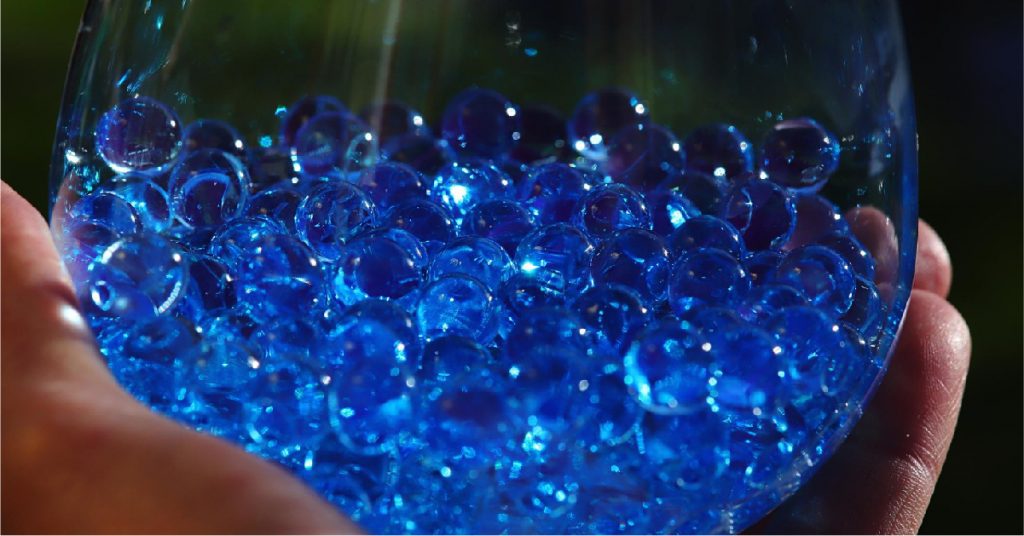
Ion exchange resins are at the heart of many water treatment systems used across Bangladesh — from textiles and pharmaceuticals to power plants, food processing units, and municipal water treatment. These tiny polymer beads remove dissolved ions, hardness, and contaminants with remarkable efficiency.
However, in many facilities, ion exchange resin life drops to just 2–3 years due to improper operation, poor regeneration, or challenging raw water conditions. With the right practices, this lifespan can be extended significantly — in many cases up to 8 years or more — resulting in lower operational costs and consistent water quality.
Here’s how industries in Bangladesh can maximize resin life through correct process control, professional maintenance, and smart regeneration strategies.
Why does Ion Exchange Resin Life Reduce Prematurely?
Bangladesh’s industrial water often contains high turbidity, iron, silica, organic contamination, and fluctuating TDS levels. Without proper pretreatment and operational discipline, resins face:
- Fouling from iron, manganese, and organics
- Oxidative damage due to chlorine
- Osmotic shock from sudden temperature or TDS variations
- Mechanical breakdown due to backwashing errors
- Reduced ion exchange resin capacity caused by overloading
Most of these issues are preventable with the right operating strategy.
1. Ensure Proper Pretreatment Before Resin Contact
Long resin life begins before water enters the softener or demineralization vessel. Essential pretreatment steps include:
- Multimedia filtration to remove suspended solids
- Activated carbon filtration to eliminate chlorine (which attacks the resin structure)
- Iron and manganese removal where groundwater contains high levels
- UF or cartridge filtration for polishing
Removing impurities prevents fouling, preserves bead structure, and maintains original ion exchange resin capacity for years.
2. Perform Correct Ion Exchange Resin Regeneration
Incorrect or incomplete regeneration is the most common reason for early resin failure.
High-quality ion exchange resin regeneration follows four steps:
- Backwash – loosens bed and removes fines
- Brine/Regenerant Injection – ensures complete ion replacement.
- Slow Rinse – pushes regenerant through resin uniformly
- Fast Rinse – flushes out excessive regenerant
To extend resin life:
- Use regenerant with the right concentration (not too low, not excessive)
- Ensure uniform flow rate to avoid channeling.
- Maintain proper contact time.
- Use food-grade salt or high-purity regenerants
Correct regeneration restores full resin capacity and prevents irreversible fouling.
3. Maintain Regeneration Frequency (Don’t Delay!)
Skipping or delaying regeneration overloads the resin, leading to permanent loss in ion exchange resin capacity.
Signs your resin needs timely regeneration:
- Rise in hardness leakage
- Drop in treated water conductivity.
- Shortened service cycles
- Sudden pressure drop
Following a fixed regeneration schedule — based on water hardness, bed size, and flow rate — dramatically extends resin life.
4. Control Operating Parameters
To protect resin beads and ensure uniform ion exchange:
- Maintain optimal service flow rate
- Avoid rapid temperature changes.
- Keep pH within design range.
- Prevent air entrainment
- Ensure proper bed depth.
Consistent operating conditions reduce mechanical stress and prevent bead fracture.
5. Prevent Fouling with Periodic Resin Cleaning
Even with good pretreatment, resins can accumulate:
- Iron & manganese
- Organics
- Silica
- Oils & grease (in industrial units)
Periodic cleaning using specialized chemicals revives performance and prevents irreversible fouling — extending resin life significantly.
6. Replace Only When Ion Exchange Resin Capacity Declines Permanently
Resin should be replaced only when it can no longer be regenerated to restore capacity. Signs include:
- High hardness leakage even after proper regeneration
- Visible bead cracking
- Severe oxidative damage
- Permanent organic fouling
With professional monitoring and cleaning, this stage usually comes after 7–8 years instead of the typical 3–4 years.
7. Use High-Quality Resin and Correct Resin Type
Using the right resin for the application is crucial:
- Softening Resins for hardness removal
- Strong Acid Cation (SAC) resins for demineralization.
- Strong Base Anion (SBA) resins for silica and alkalinity removal.
- Specialty Chelating Resins for heavy metals
High-quality resin from reputed suppliers ensures strong bead structure, high capacity, and long life even under tough conditions.
Ion Exchange’s Expertise in Resin Longevity
Ion Exchange provides advanced resins engineered for long life, high stability, and superior resistance to fouling — ideal for Bangladesh’s water conditions.
With decades of experience, Ion Exchange is a global leader in designing, manufacturing, and servicing high-performance resins under the INDION brand. Our expertise ensures that every solution delivers maximum capacity, efficiency, and reliability.
- High-Capacity INDION Resins – Engineered for superior ion exchange resin capacity and chemical stability.
- Advanced Regeneration Systems – Designed for precision control and maximum efficiency.
- On-Site Audits and Resin Testing – Comprehensive assessments to detect fouling, leakage, or capacity loss early.
- End-to-End Lifecycle Support – From resin selection to regeneration, replacement, and recycling.
Conclusion
Extending ion exchange resin life is not difficult — it requires the right pretreatment, proper regeneration, stable operating conditions, and periodic cleaning. By following these practices, industries in Bangladesh can significantly reduce costs while maintaining high-performance ion exchange systems.
Connect with Ion Exchange experts today to optimize your resin performance, improve ion exchange resin regeneration, and extend the life of your resins to 8 years or more.