

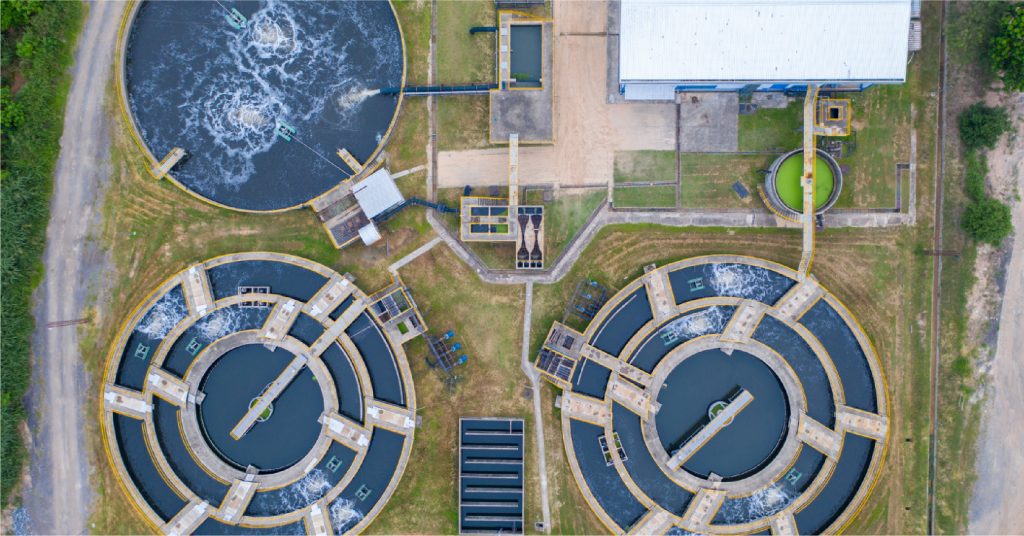
Bangladesh’s rapid industrialization and urban growth are placing unprecedented pressure on water resources, energy supply, and environmental systems. Industries across textiles, chemicals, food processing, pharmaceuticals, and power generation generate large volumes of wastewater—traditionally treated only to meet discharge norms. Today, this approach is no longer sufficient.
Integrated wastewater management is emerging as a transformative strategy—one that goes beyond treatment and disposal to enable water and energy recovery, turning wastewater into a valuable resource rather than a liability.
Why Integrated Wastewater Management Is Critical in Bangladesh?
Bangladesh faces a unique convergence of challenges:
- High industrial water demand and localized water stress
- Rising energy costs and grid dependency
- Strict environmental compliance requirements
- Increasing pressure to adopt sustainable and circular practices
Conventional, fragmented treatment systems often focus only on pollution control. In contrast, integrated wastewater management looks at the entire wastewater lifecycle—treatment, reuse, energy generation, and resource recovery—within a single, optimized framework.
This shift is essential for long-term industrial resilience and national sustainability goals.
Understanding Integrated Wastewater Management
Integrated wastewater management refers to a holistic approach where wastewater treatment, reuse, sludge handling, and energy recovery are designed as interconnected systems rather than isolated processes.
The core objective is wastewater resource recovery—extracting maximum value in the form of:
- Reusable water
- Recoverable energy (biogas, heat)
- Valuable by-products (nutrients, biosolids)
For industries in Bangladesh, this approach reduces environmental impact while improving operational efficiency and cost control.
Water Recovery: Closing the Industrial Water Loop
Water scarcity and groundwater depletion are growing concerns in industrial zones. Integrated systems enable advanced treatment and recycling of wastewater for reuse in:
- Cooling towers and boilers
- Process and utility water
- Cleaning and non-product contact applications
By prioritizing water and energy recovery, industries significantly reduce freshwater intake and wastewater discharge volumes. Advanced membrane systems, biological treatment, and polishing processes ensure treated water meets reuse standards without compromising process performance.
This approach strengthens water security while lowering long-term operating costs.
Energy Recovery from Wastewater and Sludge
Wastewater is not just a water stream—it also contains recoverable energy. Through anaerobic treatment and optimized sludge management, industries can convert organic load into usable energy.
Key energy recovery pathways include:
- Biogas generation from high-strength industrial wastewater
- Energy recovery from sludge digestion
- Reduced energy consumption through optimized treatment processes
These solutions support water and energy recovery simultaneously—helping industries offset power costs and reduce carbon footprint, which is especially valuable in energy-intensive sectors in Bangladesh.
Wastewater Resource Recovery in Industrial Operations
Wastewater resource recovery is a central pillar of modern industrial wastewater management. Instead of viewing wastewater as waste, integrated systems extract value at every stage.
Benefits include:
- Lower water procurement costs
- Reduced energy dependence
- Minimized sludge disposal expenses
- Improved compliance with environmental regulations
- Enhanced sustainability and ESG performance
Industries adopting resource recovery-based treatment are better positioned to scale operations without proportionally increasing environmental impact.
Role of Industrial Wastewater Management in Compliance and Sustainability
Environmental regulations in Bangladesh are steadily becoming more stringent, particularly for water-intensive industries. Integrated industrial wastewater management systems ensure consistent compliance by:
- Handling variable influent loads and compositions
- Providing stable effluent quality
- Supporting reuse and zero-discharge objectives where required
At the same time, these systems align with global sustainability expectations from buyers, investors, and regulators—making them a strategic investment rather than a compliance cost.
Ion Exchange’s Approach to Integrated Wastewater Management
Ion Exchange brings decades of experience in designing and implementing integrated wastewater solutions across South Asia. Our approach focuses on combining treatment efficiency with water and energy recovery, tailored to the realities of industrial operations in Bangladesh.
Advanced Integrated Process for Energy Recovery through Integration of Waste Water and Organic Solid Waste: ANDICOS Waste to Energy System
NVT NV Belgium, European NV Belgium, and Ion Exchange (India) Ltd. have entered into a technical cooperation agreement to promote the ANDICOS® waste-to-energy system, a technology concept for maximum energy recovery from concentrated waste streams. The concept and methodology are based on reductive processes that generate energy – primary treatment of methane fermentation or dark hydrogen fermentation, and secondary treatment steps of bio-electrolysis, microbial fuel cells,s or secondary anaerobic digestion. These processes result in energy generation in the form of methane, hydrogen, or electricity.
In most parts of the world, including India, domestic sewage and domestic waste are collected and treated separately. Services for wastewater treatment and waste management are also provided by different (public or municipal) organisations.
The objective of traditional wastewater treatment is to remove pathogens and protect the environment. However, the cost of this treatment is substantial both in capital expenditure and in operational costs, especially energy costs for aeration. No products are generated from traditional wastewater treatment other than treated effluent, which is discharged into water bodies or used in irrigation. State-of-the-art technology for the treatment and safe discharge of domestic sewage is aerobic treatment, with typically:
- A primary treatment phase (removal of suspended solids and grit)
- A secondary treatment phase (biological degradation by injection of large amounts of air)
- A tertiary treatment phase (removal of nutrients such as nitrogen and phosphorus)
- Excess sludge treatment either by digestion, drying, and/or incineration
The other solid waste problem is organic municipal solid waste, which in many countries is still disposed of in landfills or treated in composting facilities. When disposed of in landfills, they generate landfill gas, which often escapes into the atmosphere but which can be captured to run,n e.g, a gas engine for power generation.
The ANDICOS® design takes a radically different approach using a novel combination of proven technology to manage the problems of sludge, organic waste, and municipal solid waste, and generate electrical power and heat.
Here, sludge generated during treatment and/or domestic wastewater is combined with organic domestic waste either at source (households) or at the treatment facility for a combined treatment process. Focus is on simultaneously ensuring environmental protection and resource recovery from waste.
Domestic sewage or sludge is enriched with organic waste (or manure) to increase the overall BOD/COD load to a level that is sufficient to maintain an anaerobic wastewater treatment process. This anaerobic treatment process generates biogas, sludge, and clean effluent.
The Future of Wastewater Management in Bangladesh
As industrial growth continues, the future of wastewater treatment in Bangladesh will be defined by integration, efficiency, and recovery. Facilities that invest in integrated wastewater management today will be better equipped to handle water scarcity, energy volatility, and regulatory pressure tomorrow.
The transition from treatment-only systems to recovery-driven solutions represents a fundamental shift in how industries manage water and energy.
Conclusion
Integrated wastewater management is reshaping industrial water strategies in Bangladesh by enabling water and energy recovery and advancing wastewater resource recovery. By adopting holistic industrial wastewater management approaches, industries can reduce environmental impact, improve resilience, and create long-term operational value.
With Ion Exchange’s proven expertise in integrated wastewater solutions, organizations can transform wastewater from a regulatory burden into a strategic resource—supporting sustainable growth and future-ready operations.
Connect with Ion Exchange experts to explore how integrated wastewater management can help your facility achieve water security, energy efficiency, and regulatory compliance in Bangladesh.
FAQs
1. How can wastewater be converted into reusable resources?
Through advanced treatment, membrane filtration, anaerobic digestion, and resource recovery processes, wastewater can be transformed into reusable water, biogas energy, and recoverable by-products such as biosolids.
2. What is the role of energy recovery in industrial wastewater systems?
Energy recovery converts organic load in wastewater and sludge into biogas or electricity, reducing external power dependency and lowering overall treatment costs.
3. Why is integrated wastewater management important in Bangladesh?
With rising industrial demand, water stress, and energy costs, integrated wastewater management helps industries recover resources, ensure compliance, and strengthen long-term operational resilience.
4. How does sludge treatment support water and energy recovery?
Anaerobic digestion of sludge generates biogas for energy use while reducing sludge volume, lowering disposal costs, and improving overall treatment efficiency.
5. What benefits does wastewater resource recovery offer industries?
Resource recovery reduces freshwater intake, lowers energy consumption, minimizes waste disposal costs, improves regulatory compliance, and supports sustainability and ESG objectives.