

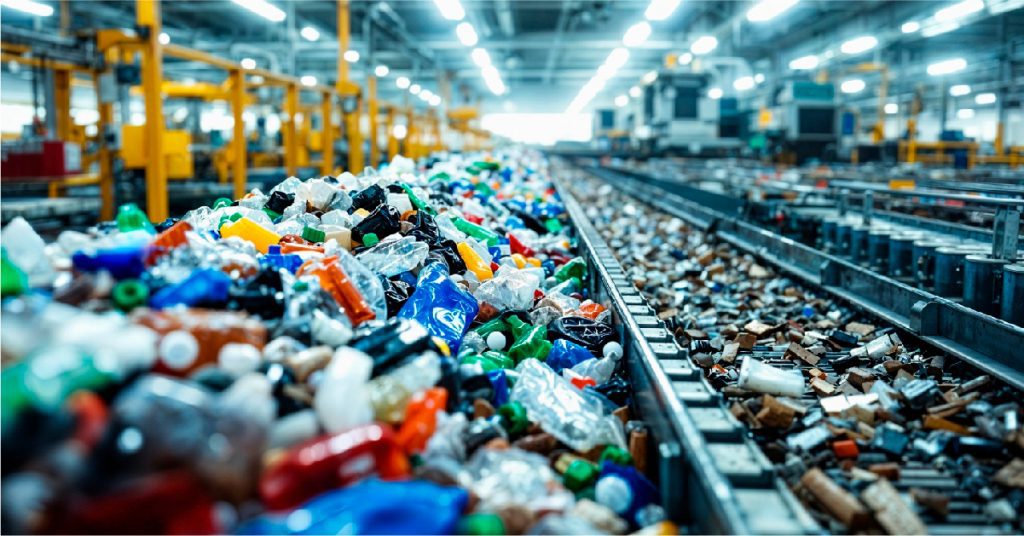
As Bangladesh continues to expand its industrial base, effective waste management has become a critical component of sustainable development. Manufacturing facilities, food processing units, textile mills, pharmaceutical, chemical plants, and commercial establishments generate significant quantities of solid and liquid waste every day. Without proper management, these waste streams can impact environmental quality, public health, and regulatory compliance.
An integrated waste management system provides a structured approach to managing waste throughout its lifecycle — from generation and segregation to treatment, recycling, recovery, and disposal. By combining modern technologies with sustainable waste management practices, industries can reduce environmental impact while improving operational efficiency and resource utilization.
Today, organizations are increasingly adopting integrated waste management strategies to support sustainability goals, minimize waste generation, and maximize resource recovery.
What Is an Integrated Waste Management System?
An integrated waste management system is a comprehensive framework that combines multiple waste management practices to handle different types of waste efficiently and sustainably.
Rather than relying solely on disposal methods, integrated systems focus on:
- Waste reduction
- Waste segregation
- Resource recovery
- Recycling
- Treatment
- Safe disposal
The objective is to minimize waste sent to landfills while maximizing the recovery of valuable resources.
This approach supports environmental sustainability while helping industries comply with regulatory requirements.
Why Do Industries Need Integrated Waste Management?
Industrial operations generate diverse waste streams, including:
- Solid waste
- Hazardous waste
- Organic waste
- Process waste
- Sludge
- Packaging waste
- Wastewater treatment residues
Managing these streams separately can be inefficient and costly.
An integrated approach enables industries to:
- Improve waste handling efficiency
- Reduce disposal costs
- Recover valuable materials
- Minimize environmental risks
- Achieve sustainability targets
As environmental regulations become stricter in Bangladesh, integrated waste management is becoming increasingly important for industrial operations.
Key Components of an Integrated Waste Management System
-
Waste Reduction at Source
The most effective waste management strategy is preventing waste generation in the first place.
Industries can reduce waste through:
- Process optimization
- Improved raw material utilization
- Efficient production practices
- Resource conservation initiatives
Source reduction lowers treatment and disposal requirements while reducing operational costs.
-
Waste Segregation
Proper segregation is essential for effective waste management.
Waste is typically categorized into:
- Recyclable waste
- Organic waste
- Hazardous waste
- Non-hazardous waste
- Industrial waste
Segregation improves recycling efficiency and simplifies treatment processes.
-
Waste Collection and Storage
Safe collection and temporary storage help prevent contamination and environmental risks.
Well-designed storage systems ensure:
- Regulatory compliance
- Worker safety
- Efficient waste handling
- Reduced environmental impact
-
Waste Recycling Solutions
Recycling plays a central role in sustainable waste management.
Common recyclable materials include:
- Paper
- Plastics
- Metals
- Glass
- Packaging materials
Modern waste recycling solutions help industries recover valuable resources while reducing landfill dependency.
-
Resource Recovery
Integrated systems increasingly focus on recovering value from waste streams.
Examples include:
- Energy recovery from organic waste
- Material recovery from industrial by-products
- Water recovery from wastewater treatment systems
- Chemical recovery from process waste
Resource recovery supports circular economy principles and improves sustainability performance.
-
Industrial Waste Disposal
Not all waste can be recycled or recovered.
For residual waste, environmentally responsible industrial waste disposal methods are essential.
These may include:
- Secure landfilling
- Incineration
- Hazardous waste treatment
- Stabilization processes
Proper disposal ensures compliance with environmental standards and minimizes environmental risks.
Solid Waste Management Systems in Industry
A solid waste management system focuses on handling non-liquid waste generated by industrial and commercial activities.
Key elements include:
- Waste collection
- Sorting and segregation
- Recycling
- Resource recovery
- Final disposal
Industries that implement efficient solid waste management systems often achieve lower disposal costs and improved sustainability outcomes.
Benefits of Sustainable Waste Management
-
Reduced Environmental Impact
Effective waste management minimizes pollution and protects natural ecosystems.
-
Lower Disposal Costs
Waste reduction and recycling help reduce transportation and disposal expenses.
-
Improved Resource Efficiency
Recovering materials and energy improves overall operational efficiency.
-
Regulatory Compliance
Integrated systems help industries meet environmental and waste management regulations.
-
Enhanced Sustainability Performance
Organizations can strengthen ESG initiatives and environmental reporting efforts.
Role of Technology in Modern Waste Management
Technology is transforming how industries manage waste.
Advanced waste management solutions now incorporate:
- Smart monitoring systems
- Automated waste handling equipment
- Digital tracking platforms
- Waste analytics software
- Resource recovery technologies
These innovations improve visibility, efficiency, and decision-making across the waste management process.
Waste Management Challenges in Bangladesh
Industries in Bangladesh face several waste management challenges, including:
- Increasing industrial waste generation
- Limited disposal infrastructure
- Environmental compliance requirements
- Rising operational costs
- Resource conservation pressures
Integrated waste management systems help address these challenges while supporting sustainable industrial development.
Building a Circular Economy Through Waste Management
Modern waste management systems are increasingly aligned with circular economy principles.
The goal is to:
- Minimize waste generation
- Maximize recycling
- Recover valuable resources
- Reduce landfill dependence
By viewing waste as a resource rather than a liability, industries can create long-term environmental and economic value.
Ion Exchange Solutions for Sustainable Waste and Water Management
Ion Exchange provides integrated environmental management solutions that support sustainable industrial operations.
Its capabilities include:
- Industrial wastewater treatment systems
- Water recycling and reuse solutions
- Resource recovery technologies
- Sustainable water management systems
- Environmental management solutions
- Integrated treatment and lifecycle support services
These solutions help industries optimize resource utilization while reducing environmental impact and improving sustainability performance.
Conclusion
An integrated waste management system is no longer simply an environmental requirement; it is a strategic business tool that supports sustainability, operational efficiency, and regulatory compliance. By combining waste reduction, recycling, resource recovery, and responsible disposal practices, industries can minimize environmental impact while creating long-term value.
As Bangladesh continues its industrial growth journey, adopting modern waste management solutions and sustainable waste management practices will be essential for building resilient and environmentally responsible industries.
Connect with Ion Exchange experts to explore integrated waste management and environmental solutions that support sustainable industrial growth and resource efficiency.
FAQs
-
What is an integrated waste management system?
An integrated waste management system combines waste reduction, segregation, recycling, resource recovery, treatment, and disposal into a comprehensive waste management framework.
-
Why is integrated waste management important for industries?
It helps industries reduce environmental impact, improve resource efficiency, lower disposal costs, and comply with environmental regulations.
-
What is the role of recycling in waste management?
Recycling recovers valuable materials from waste streams, reducing landfill disposal and supporting sustainable resource utilization.
-
How does a solid waste management system work?
It involves the collection, segregation, recycling, treatment, and disposal of solid waste generated by industrial, commercial, and residential activities.
-
How does Ion Exchange support sustainable waste management?
Ion Exchange provides integrated water treatment, resource recovery, recycling, and environmental management solutions that help industries improve sustainability and operational efficiency.