

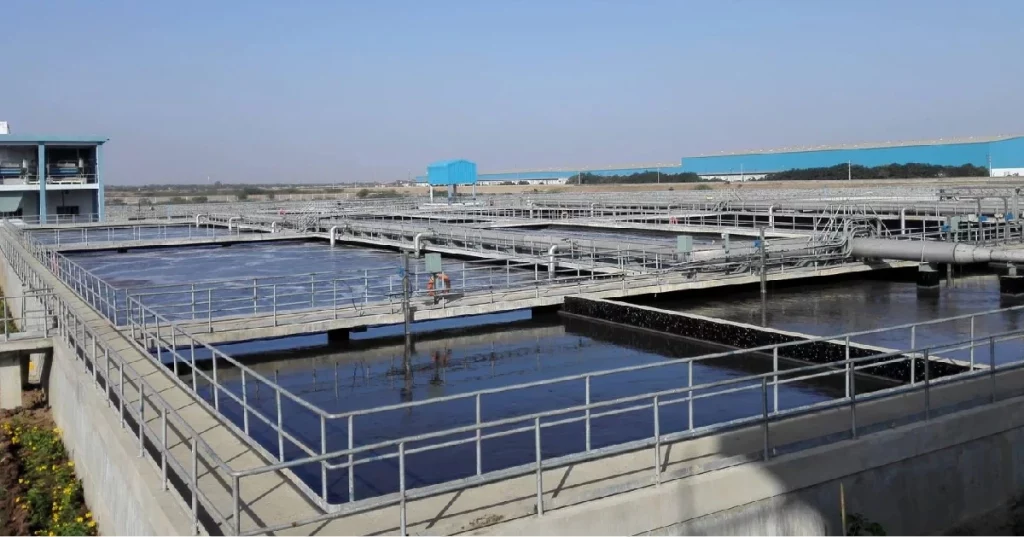
Bangladesh is witnessing rapid urbanization, industrial growth, and increasing population density, creating significant pressure on existing water and sanitation infrastructure. As cities expand and industrial activities increase, managing sewage and wastewater efficiently has become essential for protecting public health, preserving water resources, and maintaining environmental sustainability.
Modern Sewage Treatment Plants are now playing a critical role in improving wastewater management across the country. Advanced treatment technologies help municipalities and industries treat sewage safely, reduce pollution, and support sustainable development and water reuse initiatives.
With stricter environmental regulations and growing awareness around sustainable development, the demand for reliable STP solutions in Bangladesh continues to increase across municipal, commercial, and industrial sectors.
Why Sewage Treatment Is Important in Bangladesh?
Untreated sewage and wastewater can severely impact rivers, groundwater, and public health.
Rapid urban growth in Bangladesh has increased the volume of:
- Domestic sewage
- Industrial discharge
- Commercial wastewater
- Municipal wastewater
Without proper treatment, these wastewater streams may contain:
- Organic pollutants
- Suspended solids
- Pathogens
- Nutrients
- Chemicals and industrial contaminants
Advanced sewage treatment systems help reduce environmental pollution while improving sanitation and water quality.
Growing Demand for Wastewater Treatment in Bangladesh
The increasing need for Wastewater Treatment In Bangladesh is driven by several major factors:
- Urban population growth
- Expansion of industrial zones
- Environmental compliance requirements
- Water scarcity concerns
- Rising public health awareness
- Sustainable water management initiatives
Both municipal authorities and industries are now investing in modern wastewater treatment infrastructure to improve long-term water sustainability.
How Sewage Treatment Plants Work?
Modern Sewage Treatment Plants use multiple treatment stages to remove contaminants from wastewater before discharge or reuse.
-
Preliminary Treatment
Removes large debris, grit, and floating materials through screening and grit chambers.
-
Primary Treatment
Settles suspended solids and organic matter through sedimentation processes.
-
Secondary Biological Treatment
Uses microorganisms to break down organic pollutants and reduce Biological Oxygen Demand (BOD).
-
Tertiary Treatment
Advanced filtration and disinfection processes improve final water quality for safe discharge or reuse.
This multi-stage treatment process ensures effective pollutant removal and environmental compliance.
Advanced Technologies Used in Sewage Treatment Plants
Modern STP solutions in Bangladesh increasingly use advanced treatment technologies for higher efficiency and improved water recovery.
-
Membrane Bioreactor (MBR) Systems
Combine biological treatment with membrane filtration for superior treated water quality.
-
Moving Bed Biofilm Reactor (MBBR)
Uses biofilm carriers to improve biological treatment efficiency.
-
Sequencing Batch Reactor (SBR)
Provides compact and flexible wastewater treatment for varying load conditions.
-
Reverse Osmosis (RO)
Used for advanced polishing and water recycling applications.
-
UV Disinfection Systems
Provide chemical-free pathogen control and improved water safety.
These advanced systems improve treatment efficiency while supporting water reuse initiatives.
Role of Effluent Treatment Plants in Industrial Wastewater Management
In addition to municipal sewage treatment, Bangladesh also requires advanced Effluent treatment plants for industrial wastewater management.
Industries such as:
- Textiles
- Pharmaceuticals
- Food processing
- Chemicals
- Leather processing
generate complex wastewater containing chemicals, dyes, oils, and suspended contaminants.
Industrial wastewater treatment systems help industries:
- Meet discharge regulations
- Reduce pollution
- Recycle treated water
- Improve sustainability performance
Benefits of Advanced Sewage Treatment Plants
Implementing advanced sewage treatment infrastructure offers multiple environmental and operational benefits.
-
Improved Public Health
Reduces waterborne diseases and contamination risks.
-
Pollution Prevention
Protects rivers, groundwater, and ecosystems from untreated sewage discharge.
-
Water Reuse Opportunities
Treated water can be reused for landscaping, cooling, and industrial applications.
-
Environmental Compliance
Helps municipalities and industries meet regulatory discharge standards.
-
Sustainable Urban Development
Supports long-term sanitation and water management goals.
Industrial Wastewater Treatment and Sustainability
As industries expand in Bangladesh, sustainable wastewater management is becoming increasingly important.
Modern industrial wastewater treatment systems help industries:
- Reduce freshwater consumption
- Recover reusable water
- Minimize environmental liabilities
- Improve operational sustainability
- Support ESG initiatives
Integrated treatment and recycling systems are becoming essential for sustainable industrial growth.
Ion Exchange Solutions for Sewage and Wastewater Treatment
Ion Exchange provides advanced sewage and industrial wastewater treatment solutions for municipal and urban communities as well as industrial applications worldwide.
Their offerings include:
- Sewage Treatment Plants
- Effluent treatment plants
- Industrial wastewater treatment systems
- Water recycling and reuse systems
- Membrane-based treatment technologies
- Integrated wastewater management solutions
Using advanced engineering and sustainable treatment technologies, Ion Exchange helps industries and municipalities improve wastewater management efficiency and environmental performance.
Future of Wastewater Treatment in Bangladesh
Bangladesh’s future development will increasingly depend on sustainable wastewater infrastructure and efficient sewage management systems.
Key trends shaping the sector include:
- Smart wastewater monitoring systems
- Water reuse and recycling initiatives
- Advanced biological treatment technologies
- Decentralized STP systems
- Sustainable urban sanitation projects
Investments in modern Sewage Treatment Plants and advanced industrial wastewater treatment solutions will play a major role in supporting environmental protection and sustainable growth.
Conclusion
Advanced Sewage Treatment Plants are becoming essential for improving sanitation, reducing pollution, and supporting sustainable development in Bangladesh. By adopting modern treatment technologies such as MBR, MBBR, SBR, and advanced industrial wastewater treatment systems, municipalities and industries can manage wastewater more efficiently while protecting valuable water resources.
As the demand for sustainable wastewater infrastructure grows, advanced STP solutions in Bangladesh will continue to play a critical role in building a cleaner and more resilient future.
FAQs
1. Why are sewage treatment plants important in Bangladesh?
Sewage treatment plants help reduce pollution, improve sanitation, protect water resources, and support public health.
2. What technologies are used in modern sewage treatment plants?
Technologies such as MBR, MBBR, SBR, RO, and UV disinfection are widely used in advanced treatment systems.
3. How do effluent treatment plants differ from sewage treatment plants?
Effluent treatment plants treat industrial wastewater, while sewage treatment plants primarily treat domestic and municipal sewage.
4. Can treated wastewater be reused? \
Yes, treated wastewater can be reused for landscaping, cooling systems, industrial applications, and utility purposes.
5. How does Ion Exchange support wastewater treatment in Bangladesh?
Ion Exchange provides advanced sewage treatment plants, industrial wastewater treatment systems, and integrated water recycling solutions.