

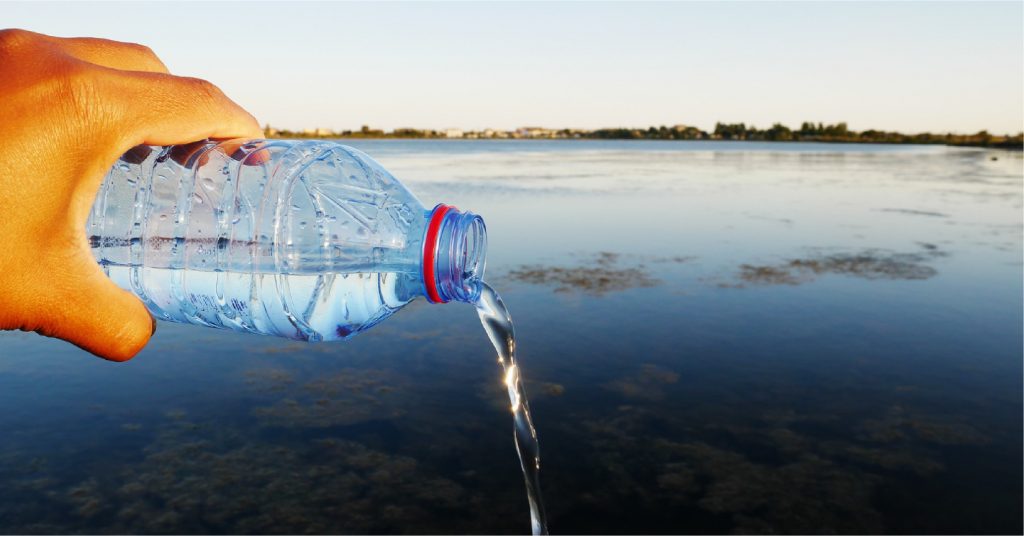
Bangladesh is facing increasing pressure on its Water Resources due to rapid urbanization, industrial growth, and population expansion. Large volumes of wastewater are generated daily from industries, municipalities, and agriculture. Managing this wastewater effectively through proper Wastewater management is essential to protect the environment and ensure long-term water availability.
A key challenge lies in deciding between Wastewater Discharge and reuse. While discharge is necessary in many cases, untreated or poorly treated wastewater can severely impact water resources. On the other hand, advanced treatment of wastewater enables reuse, reducing environmental stress and improving sustainability.
Understanding Wastewater Discharge
Wastewater Discharge refers to releasing treated or untreated wastewater into natural water bodies such as rivers, lakes, or coastal areas.
If not properly treated, wastewater discharge can lead to:
- Pollution of rivers and groundwater
- Degradation of aquatic ecosystems
- Spread of waterborne diseases
- Increased treatment costs for downstream users
To prevent these risks, regulatory authorities enforce standards that ensure wastewater is treated before discharge.
Wastewater Reuse: A Sustainable Alternative
Wastewater reuse involves treating wastewater to a level where it can be safely reused for industrial, agricultural, or non-potable applications.
Benefits of reuse include:
- Conservation of freshwater resources
- Reduced environmental pollution
- Lower demand on natural water bodies
- Improved water security
By focusing on reuse, industries and municipalities can shift from waste disposal to resource recovery.
Standards for Wastewater Discharge in Bangladesh
To protect Water Resources, Bangladesh has established environmental guidelines for wastewater discharge.
These standards typically regulate:
- Biological Oxygen Demand (BOD)
- Chemical Oxygen Demand (COD)
- Total Suspended Solids (TSS)
- pH levels
- Presence of harmful chemicals and pathogens
Proper Wastewater management ensures that wastewater meets these standards before discharge, minimizing environmental impact.
Treatment of Wastewater for Safe Discharge and Reuse
The treatment of wastewater involves multiple stages to remove contaminants and improve water quality.
-
Primary Treatment
Removes large solids and suspended particles through screening and sedimentation.
-
Secondary Treatment
Uses biological processes to break down organic pollutants and reduce BOD and COD levels.
-
Tertiary Treatment
Applies advanced filtration, membrane systems, and disinfection to produce high-quality treated water suitable for reuse or safe discharge.
These treatment steps are essential for effective Wastewater management and sustainable use of water resources.
Impact on Water Resources
-
Effects of Wastewater Discharge
Even treated wastewater can affect water bodies if not managed properly. Continuous discharge may:
- Increase pollutant load in rivers
- Affect aquatic biodiversity
- Reduce water quality for downstream users
-
Benefits of Wastewater Reuse
In contrast, reuse helps:
- Reduce pressure on natural water sources
- Improve water availability for industries and agriculture
- Minimize environmental pollution
- Support sustainable water management
By prioritizing reuse, Bangladesh can protect its Water Resources while meeting growing demand.
Role of Advanced Water Management Systems
Modern water management strategies integrate treatment, recycling, and monitoring systems to optimize wastewater handling.
Key components include:
- Industrial wastewater treatment plants
- Sewage treatment systems
- Water recycling and reuse units
- Monitoring and control systems
These systems enable efficient Wastewater management while ensuring compliance with environmental standards.
Ion Exchange Solutions for Wastewater Management
Ion Exchange has decades of experience delivering comprehensive industrial water treatment systems across Asia, including Thailand. Our solutions are designed to address the full water lifecycle—from intake and purification to wastewater treatment and reuse.
Cutting-Edge Waste Water Treatment Solutions by Ion Exchange
Ion Exchange pioneers water management solutions by focusing on wastewater recycling and source reduction, while their waste management systems emphasize product recovery and waste minimization. They utilize integrated systems that incorporate innovative, energy-efficient, and cost-effective technologies like membranes, advanced oxidation, and evaporation. These systems conserve water by recycling wastewater and recovering valuable products for reuse, achieving zero liquid discharge objectives. This not only provides customers with a strong return on investment but also contributes to environmental protection.
Ion Exchange carefully selects the most appropriate technologies based on thorough studies, surveys, and pilot testing. Their solutions cater to various industries, including power plants, fertilizers, electronics, textiles, chemicals, food & beverage, pulp & paper, pharmaceuticals, and automotive sectors, enabling efficient recovery and reuse of water and products. Our products include:
Moving Toward Sustainable Water Use in Bangladesh
As water demand continues to grow, balancing wastewater discharge and reuse will be critical for Bangladesh’s sustainability goals.
Key focus areas include:
- Strengthening wastewater treatment infrastructure
- Promoting water reuse practices
- Enforcing discharge standards
- Adopting advanced water management systems
By prioritizing reuse over discharge, Bangladesh can ensure long-term water security and environmental protection.
Conclusion
The choice between Wastewater Discharge and reuse has a significant impact on Water Resources in Bangladesh. While discharge remains necessary, effective Wastewater management and advanced treatment of wastewater can minimize environmental risks and enable water reuse.
By investing in modern treatment systems and sustainable practices, Bangladesh can protect its water resources, reduce pollution, and build a resilient water future.
FAQs
- What is wastewater discharge?
Wastewater discharge is the release of treated or untreated wastewater into natural water bodies such as rivers, lakes, or oceans. - Why is wastewater reuse important?
Wastewater reuse helps conserve freshwater, reduce pollution, and improve water availability for industrial and agricultural use. - What standards are used for wastewater discharge?
Standards regulate parameters such as BOD, COD, TSS, pH, and contaminants to ensure safe discharge and protect water resources. - How is wastewater treated before reuse?
Wastewater is treated through primary, secondary, and tertiary processes, including filtration, biological treatment, and disinfection. - How does Ion Exchange support wastewater management?
Ion Exchange provides advanced treatment, recycling, and integrated water management solutions to reduce discharge and enable water reuse.