

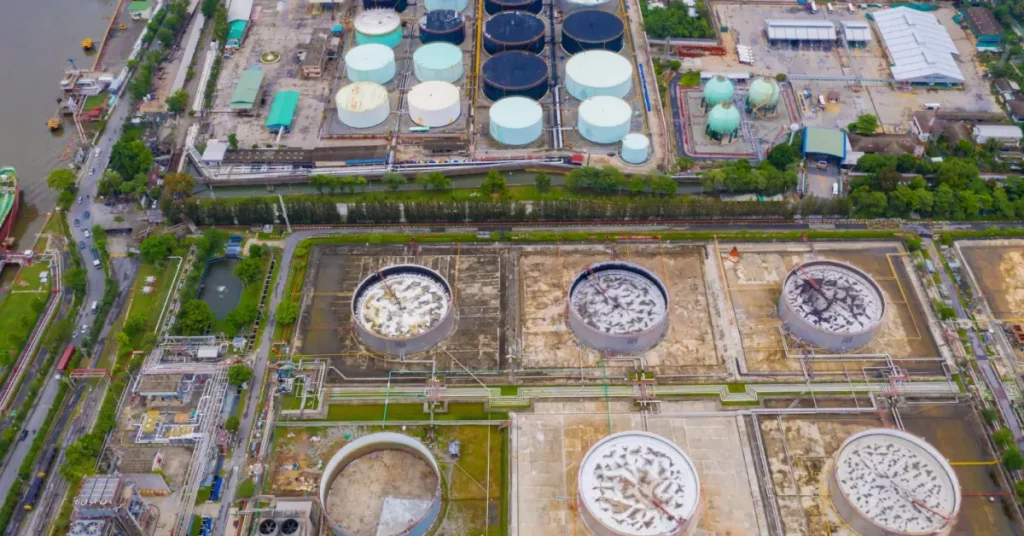
Industrial growth in Bangladesh has increased the demand for reliable wastewater management solutions across sectors such as textiles, garments, pharmaceuticals, chemicals, food processing, and manufacturing.
Industrial processes generate wastewater containing dyes, chemicals, oils, heavy metals, organic pollutants, and suspended solids. If untreated, this wastewater can impact water bodies, ecosystems, and public health.
An effluent treatment plant helps industries remove these contaminants before discharge or reuse. By combining physical, chemical, and biological treatment processes, an ETP plant enables industries to meet environmental requirements while improving water efficiency.
For Bangladesh industries, selecting the right Effluent Treatment Plant depends on wastewater characteristics, production processes, discharge standards, and future water-reuse goals.
What Is an Effluent Treatment Plant?
An ETP plant is a wastewater treatment system designed to treat industrial effluent generated from manufacturing and production activities.
Unlike domestic sewage, industrial wastewater varies significantly depending on the industry and process involved.
Industrial effluent may contain:
- Organic pollutants
- Suspended solids
- Colour compounds
- Oils and grease
- Toxic chemicals
- Heavy metals
- High dissolved solids
- Process-specific contaminants
An ETP removes these pollutants through different treatment stages to produce water suitable for safe discharge or reuse.
Why Effluent Treatment Plants Are Important for Bangladesh Industries
Bangladesh has a strong industrial base, especially in textile and garment manufacturing.
Industries such as textile processing, dyeing, leather, pharmaceuticals, and chemicals generate wastewater with complex characteristics.
Without proper treatment, industrial discharge can lead to:
- Water pollution
- Regulatory issues
- Increased environmental impact
- Higher freshwater consumption
- Loss of production efficiency
A properly designed wastewater treatment plant helps industries manage their effluent responsibly while supporting sustainable manufacturing practices.
How Does an Effluent Treatment Plant Work?
An ETP plant generally includes multiple treatment stages based on wastewater quality.
1. Preliminary Treatment
The first stage removes large particles and physical contaminants from industrial wastewater.
Common processes include:
- Screening
- Grit removal
- Oil and grease separation
This protects downstream equipment and improves overall treatment efficiency.
2. Primary Chemical Treatment
Chemical treatment helps remove suspended solids, colour, and other difficult-to-settle contaminants.
Common processes include:
- Coagulation
- Flocculation
- pH adjustment
- Chemical precipitation
The process helps convert dissolved and suspended pollutants into separable solids.
3. Biological Treatment
Biological treatment uses microorganisms to break down biodegradable organic matter present in wastewater.
Common biological systems include:
- Activated sludge process
- MBBR
- SBR
- MBR systems
This stage reduces parameters such as:
- Biochemical Oxygen Demand (BOD)
- Chemical Oxygen Demand (COD)
4. Tertiary Treatment and Filtration
Additional treatment may be required when industries need higher-quality treated water.
Processes may include:
- Sand filtration
- Activated carbon filtration
- Ultrafiltration
- Reverse osmosis
- Disinfection
These systems improve water quality for reuse applications.
5. Sludge Treatment
The treatment process generates sludge containing concentrated pollutants.
Sludge management may include:
- Thickening
- Dewatering
- Drying
- Safe disposal
Proper sludge handling is essential for complete wastewater management.
Types of Effluent Treatment Plants for Bangladesh Industries
Different industries require different ETP designs based on their wastewater characteristics.
Textile Wastewater Treatment
The textile industry is one of the largest contributors to industrial wastewater generation in Bangladesh.
Textile wastewater commonly contains:
- Dyes
- Colour compounds
- Chemicals
- Suspended solids
- High COD levels
Textile wastewater treatment systems often combine chemical treatment, biological processes, filtration, and advanced oxidation to achieve the required treated-water quality.
Pharmaceutical Effluent Treatment
Pharmaceutical wastewater may contain active compounds, chemicals, solvents, and high organic loads.
Treatment systems are designed to handle complex contaminants while maintaining consistent performance.
Food and Beverage Effluent Treatment
Food processing wastewater generally contains:
- Organic matter
- Fats
- Oils
- Grease
- Suspended solids
Biological treatment combined with physical separation helps reduce pollution load.
Chemical and Manufacturing Industries
Chemical industries generate wastewater with varying pH, dissolved chemicals, and specific pollutants.
Customised industrial effluent treatment solutions are required to safely manage these wastewater streams.
Key Technologies Used in ETP Plants
-
Chemical Treatment
Chemical processes help remove colour, suspended solids, heavy metals, and difficult pollutants.
-
Biological Treatment
Biological systems reduce biodegradable organic matter and improve treated-water quality.
-
Membrane Technologies
Membrane systems such as UF, RO, and MBR provide advanced filtration and support water reuse.
-
Zero Liquid Discharge Systems
For industries requiring maximum water recovery, ZLD systems combine multiple treatment technologies to minimise wastewater discharge.
Benefits of Installing an Effluent Treatment Plant
A properly designed ETP provides several advantages:
- Compliance with environmental regulations
- Reduced water pollution
- Improved wastewater reuse
- Lower freshwater consumption
- Better operational sustainability
- Protection of downstream treatment systems
- Improved corporate environmental responsibility
For industries, wastewater treatment is no longer only a compliance requirement. It is becoming an important part of resource management and operational efficiency.
Factors to Consider Before Selecting an ETP Plant
The right effluent treatment plant should be designed according to actual wastewater conditions.
Important factors include:
-
Wastewater Characteristics
Analysis of parameters such as:
- pH
- BOD
- COD
- TDS
- Colour
- Suspended solids
- Toxic contaminants
helps determine the correct treatment process.
-
Industry Type
Different industries require different treatment approaches.
A textile factory, a pharmaceutical plant, and a food processing unit cannot use the same standard ETP design.
-
Treatment Capacity
The plant should be designed according to:
- Daily wastewater generation
- Peak flow
- Production variations
- Future expansion
-
Water Reuse Requirements
Industries planning water recycling may require additional treatment stages such as UF, RO, or advanced oxidation.
-
Operation and Maintenance Support
Reliable performance requires:
- Regular monitoring
- Chemical optimisation
- Equipment maintenance
- Technical support
- Operator training
Ion Exchange Effluent Treatment Solutions for Bangladesh Industries
Ion Exchange provides customised effluent treatment plant solutions for industries across textiles, pharmaceuticals, chemicals, food processing, manufacturing, and infrastructure sectors.
Its wastewater treatment solutions include:
- Chemical treatment systems
- Biological treatment processes
- Membrane-based treatment
- Effluent recycling systems
- Zero Liquid Discharge solutions
- Industrial water treatment systems
For textile industries, Ion Exchange provides integrated textile wastewater treatment solutions designed to manage colour, chemicals, organic load, and varying wastewater characteristics.
With expertise in process design, engineering, automation, and operation support, Ion Exchange helps industries develop reliable wastewater treatment plants that improve compliance, enable water reuse, and reduce environmental impact.
Conclusion
An effluent treatment plant is essential for Bangladesh industries looking to manage wastewater responsibly and maintain sustainable operations.
From textile wastewater treatment to pharmaceutical, chemical, and manufacturing applications, a properly designed ETP plant helps remove pollutants, improve water quality, and support regulatory compliance.
The right wastewater treatment solution depends on industry requirements, wastewater characteristics, discharge standards, and future reuse objectives.
Connect with Ion Exchange experts for customised effluent treatment plants, industrial wastewater treatment solutions, and advanced water treatment systems designed for Bangladesh industries.
FAQs
-
What is an effluent treatment plant?
An effluent treatment plant is a wastewater treatment system designed to remove pollutants from industrial wastewater before discharge or reuse.
-
Why do industries in Bangladesh need ETP plants?
Industries need ETP plants to treat wastewater, meet environmental standards, reduce pollution, and support sustainable water management.
-
Which industries require effluent treatment plants?
Industries such as textiles, garments, pharmaceuticals, chemicals, food processing, leather, and manufacturing require ETP systems.
-
What is the difference between an ETP and a wastewater treatment plant?
An ETP mainly treats industrial wastewater containing process-related contaminants, while a wastewater treatment plant may also refer to systems treating domestic sewage or municipal wastewater.
-
Can treated effluent be reused?
Yes. With advanced treatment processes such as filtration, ultrafiltration, and reverse osmosis, treated industrial wastewater can be recovered for reuse in several applications.